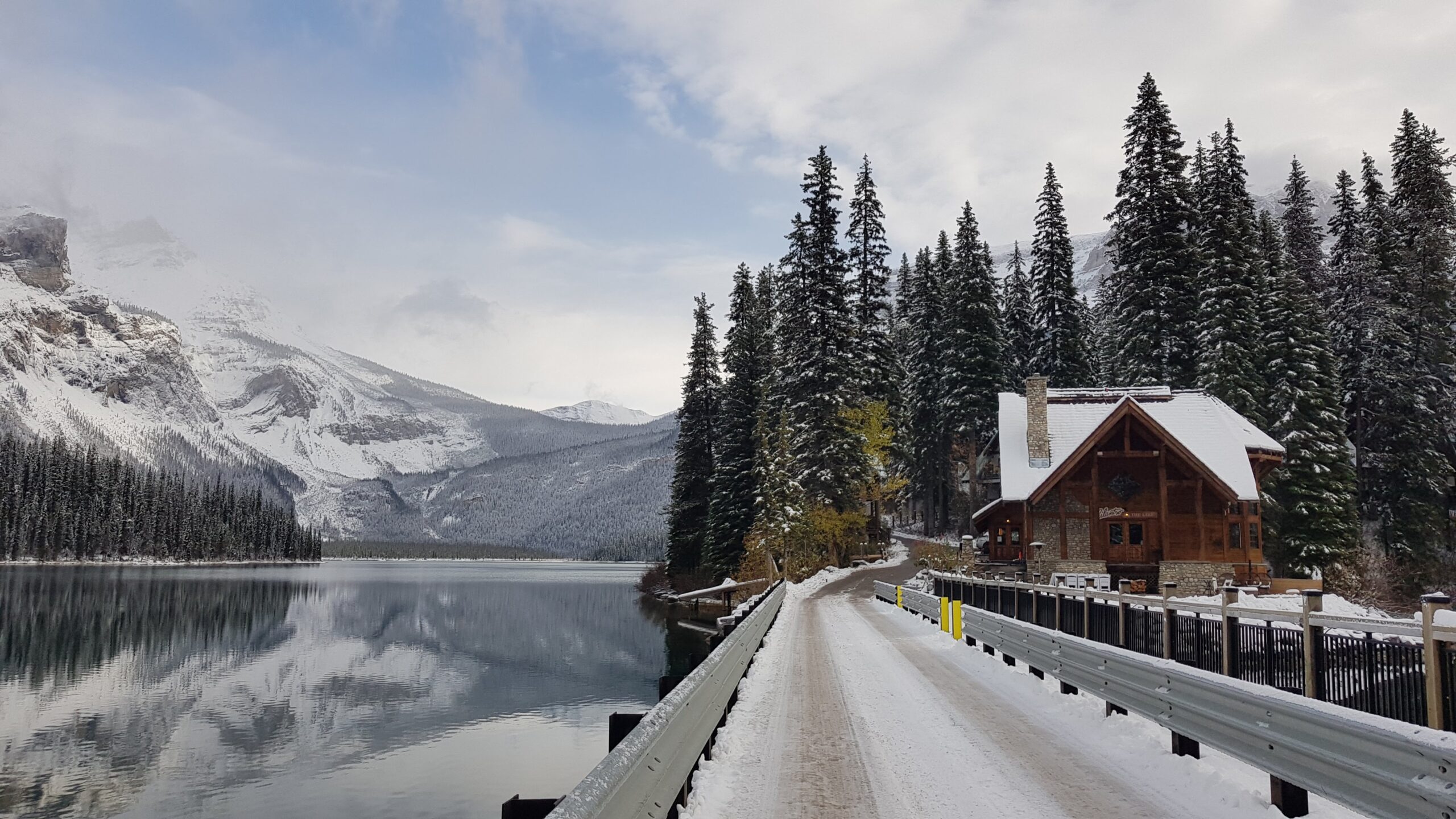
Solo travel can feel like freedom — but also a bit like a blank canvas. No one else to coordinate with, no shared itinerary, just you and the open road (or train… or tram). That’s part of what I love about it.
I’ve found that I enjoy planning. But not the kind that comes with rigid color-coded spreadsheets or jam-packed days. I plan gently — enough to feel prepared, not boxed in.
Here’s how I approach solo travel planning in a way that gives me structure, flexibility, and peace of mind.
1. I Start with a Rough Itinerary
I usually start shaping my trip a few months in advance. Nothing detailed at first — just dates, a few locations, and how long I’d want to stay in each. I like knowing the rhythm of the trip before diving into specifics.
I’ll sketch out:
- Entry and exit cities
- How many days in each place
- Rough travel times between stops
I always leave space for “anchor days” — those one or two experiences I’m really looking forward to (like a specific tour or national park) — and the rest stays open for wandering, cafes, or quiet time.
2. I Choose Places That Match My Energy
I don’t plan my trips around checklists or trending destinations. I choose based on what I’m craving emotionally or mentally.
For Iceland, I needed stillness and awe — and that’s exactly what I got. For Europe, I wanted a blend of cities with nature, character, and calm — so I chose places like Ljubljana, Innsbruck, Wengen, Annecy, Lisbon, and many more.
When choosing where to go, I ask myself:
- Can I walk or take transit easily?
- Does it feel safe and easy to navigate solo?
- Will I be able to balance my need to enjoy both nature and city?
It’s less about “seeing it all” and more about feeling grounded in a place.
3. My Favorite Tools for Calm Planning
I don’t use fancy travel planning apps — just practical tools I know and trust.
- 🗺️ Google Maps
This is my planning home base. I use it to:- Check hotel locations
- Save places I want to visit
- Explore neighborhoods virtually
- Check distances between sights
- 📊 Excel & Word
Excel is great for outlining basic plans — things like dates, bookings, and train times. Word is where I jot down notes, ideas, or optional daily plans I might or might not follow. - 🛏️ Hotel Searches + Review Deep Dives
I start with Google Maps to find hotels in central or well-connected areas. Then I compare prices across:- Booking.com
- Expedia
- Agoda
- And sometimes the hotel’s own website
- I always check Google reviews. I read:
- The most recent ones
- The worst ones (to catch patterns)
- And the best ones (to see if the praise aligns with what I care about)
- 🚌 Public Transit Research
I always look into:- What kind of passes are available
- How to buy/validate tickets
- Local ride-hailing apps (Uber, Bolt, FreeNow, etc.)
This gives me confidence, especially when landing somewhere new.
- 🌐 Viator & GetYourGuide
Since I don’t drive, I often book day tours through these. I look for small groups, scenic spots, and well-reviewed guides who bring places to life. - 💳 Currency & SIM Cards
If cash is needed, I usually withdraw local currency from an ATM on arrival (instead of exchanging cash). I also use eSIMs (mainly Airalo and Holafly), which are super convenient and let me stay connected easily.
4. What I Book Ahead (And What I Don’t)
I usually book these before I leave:
- Flights
- Hotels (3–4 star, walkable location)
- Major day tours or activities that might sell out
I don’t try to fill every day. I like leaving space for weather changes, lazy mornings, or extra time somewhere unexpected. Sometimes I end up loving a place more than I thought — and I want time to enjoy it.
5. Packing: Somewhere Between Light and Prepared
I wouldn’t call myself a light packer — but I try not to overdo it either. I bring what I’ll need and a bit of backup, especially if the weather is unpredictable.
What I always pack:
- A power bank
- Comfortable walking shoes
- Destination-specific gear (e.g. winter layers, water shoes)
I also try to make sure my bag is manageable — something I can carry without help, especially since I travel solo.
Closing Thoughts
I don’t plan to perfection — I plan just enough to feel supported. My trips are structured softly, with flexibility built in. I leave space for missed trains, unexpected museums, early nights, or long walks to nowhere in particular.
That’s the kind of solo travel I love: calm, intuitive, and a little bit open-ended.
Disclosure: This post contains affiliate links. If you make a purchase through them, I may earn a small commission — at no extra cost to you.
Leave a Reply